Placement guide
Where it lives matters
The same design reads differently on a forearm than a ribcage — and hurts differently too. Honest notes on all 20 placements.
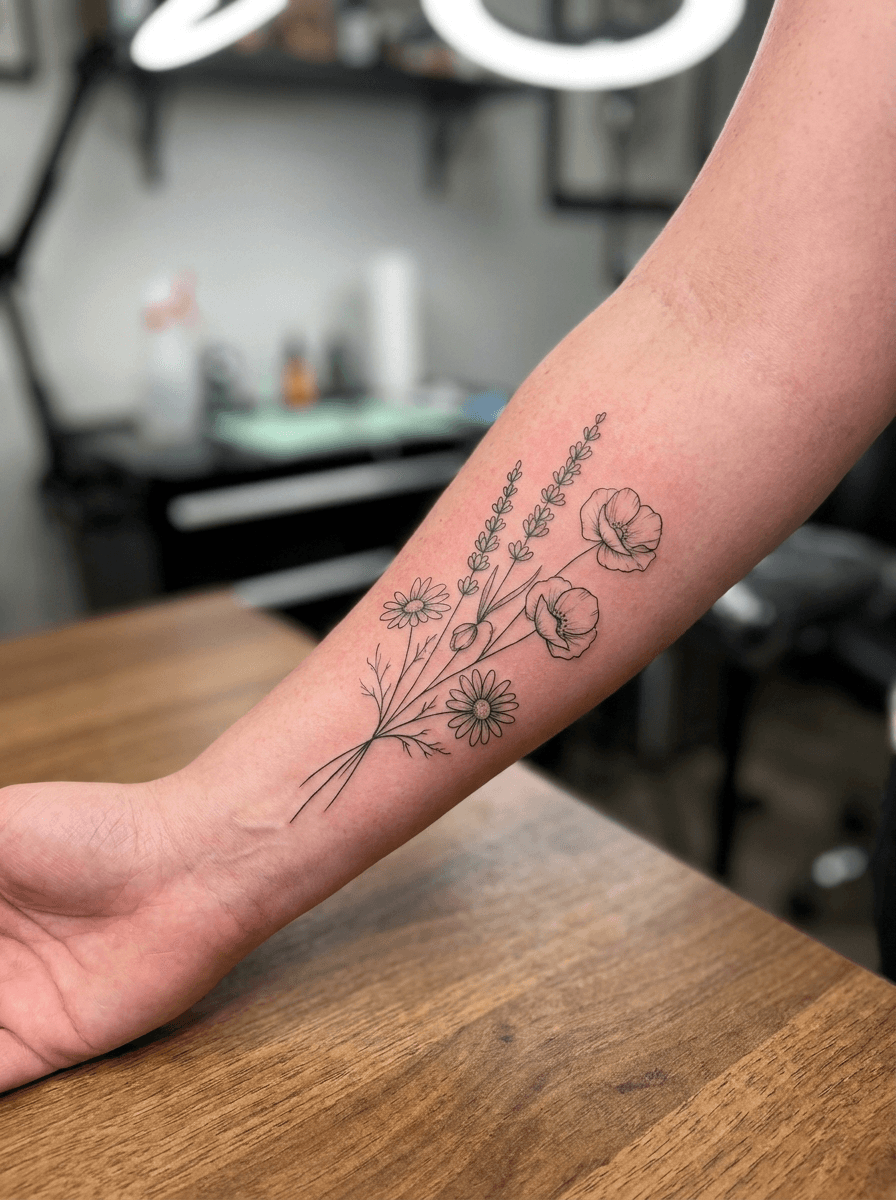
Forearm
Low — fleshy muscle with few nerve clusters. A common first-tattoo choice.
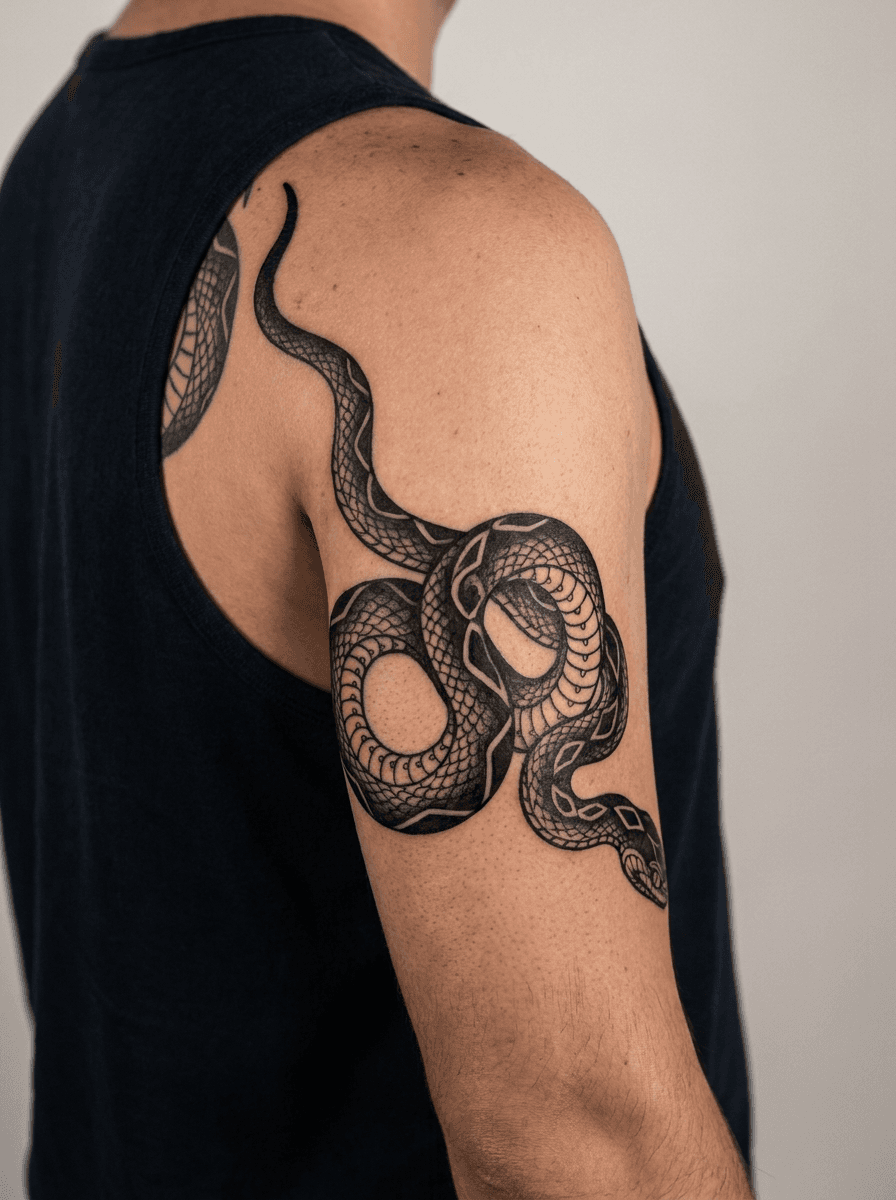
Upper Arm / Bicep
Low on the outer arm; the inner bicep is noticeably sharper.
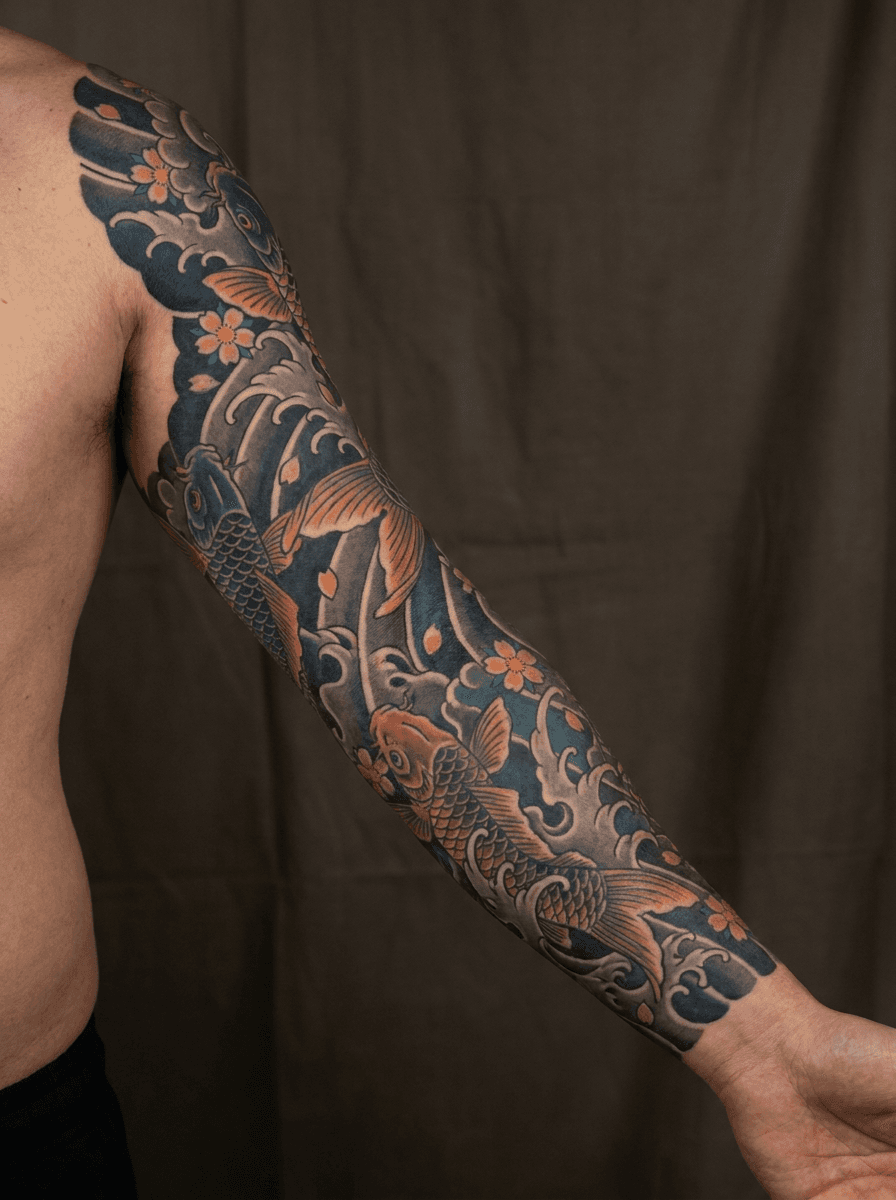
Full Sleeve
Varies across the arm — inner elbow and armpit-adjacent areas are the hardest.
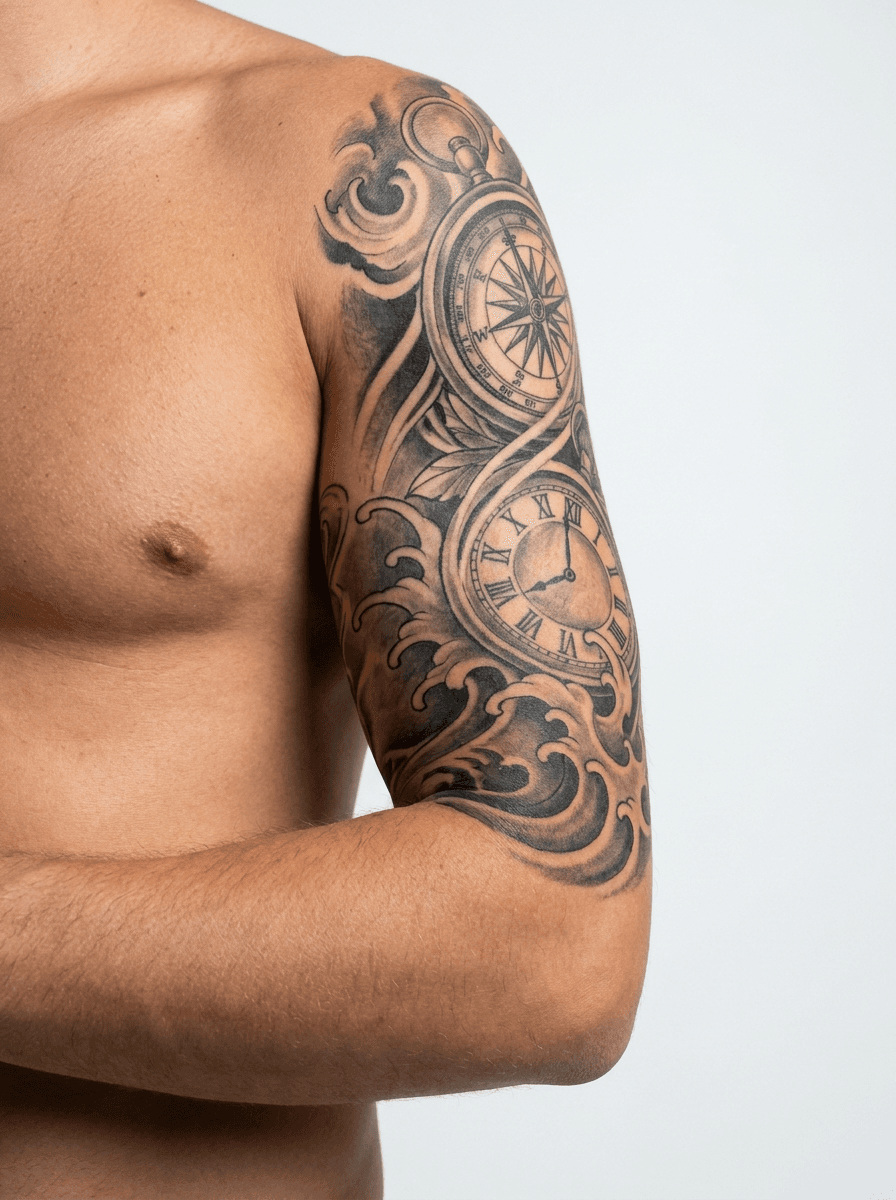
Half Sleeve
Low to moderate — mostly forgiving muscle.
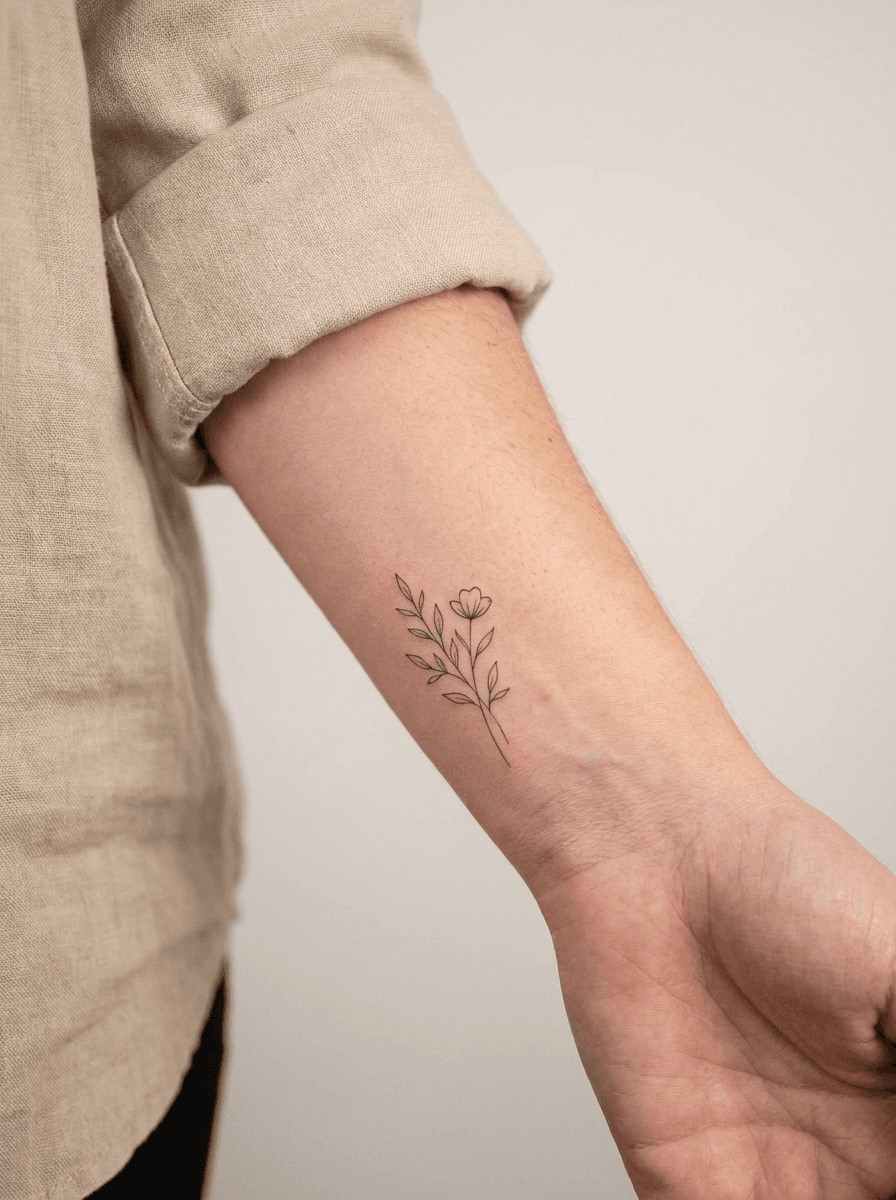
Wrist
Moderate — thin skin over bone and tendons; quick sessions though.
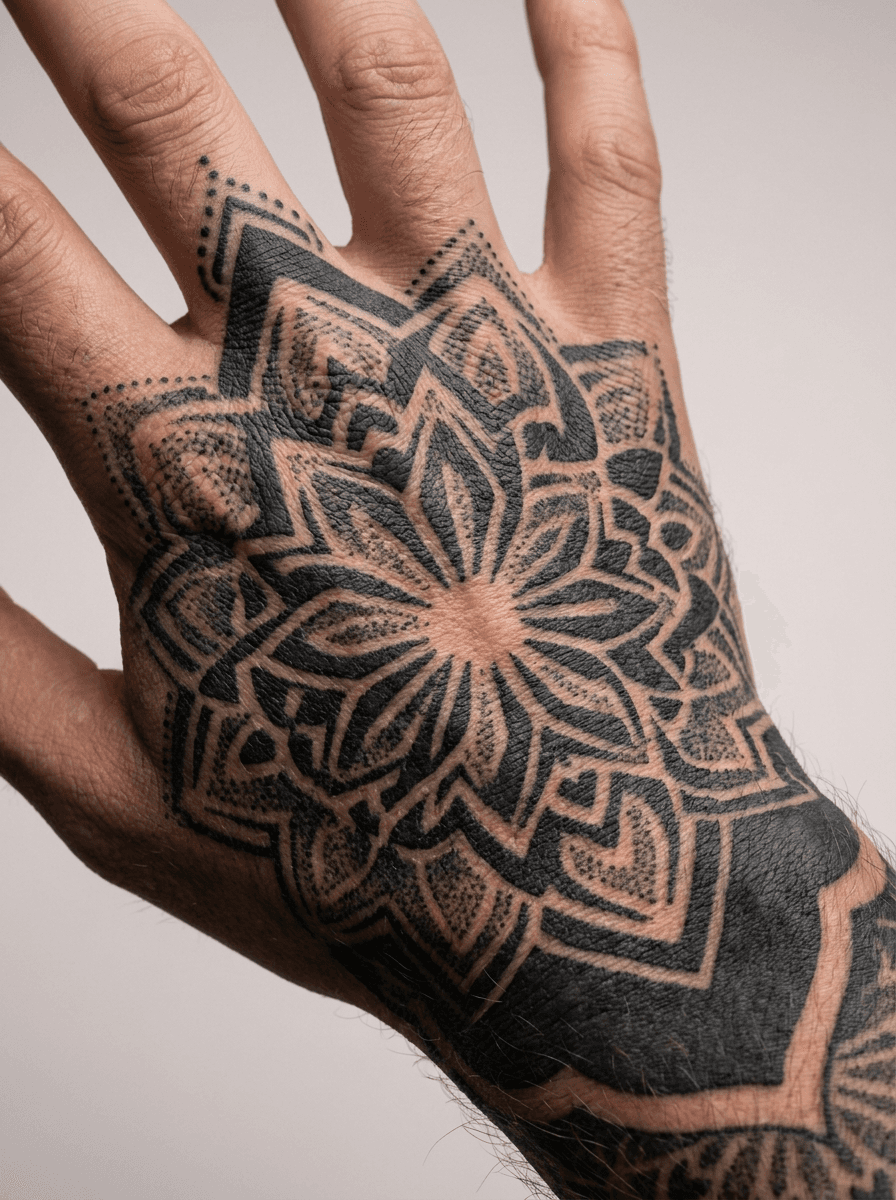
Hand
High — bone, tendon and constant movement. Also the most touch-up-prone spot.
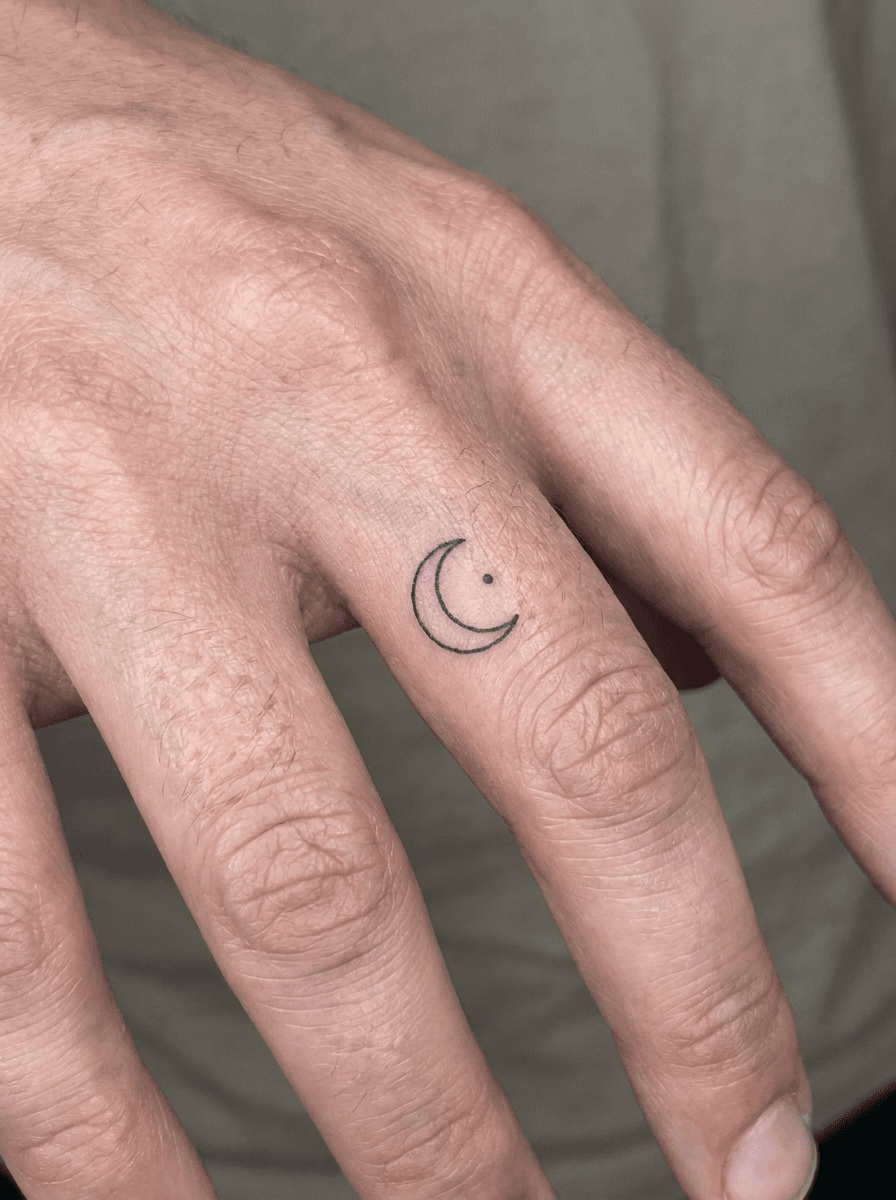
Finger
Sharp but fast. Fading is the real cost — finger tattoos often need annual refreshes.
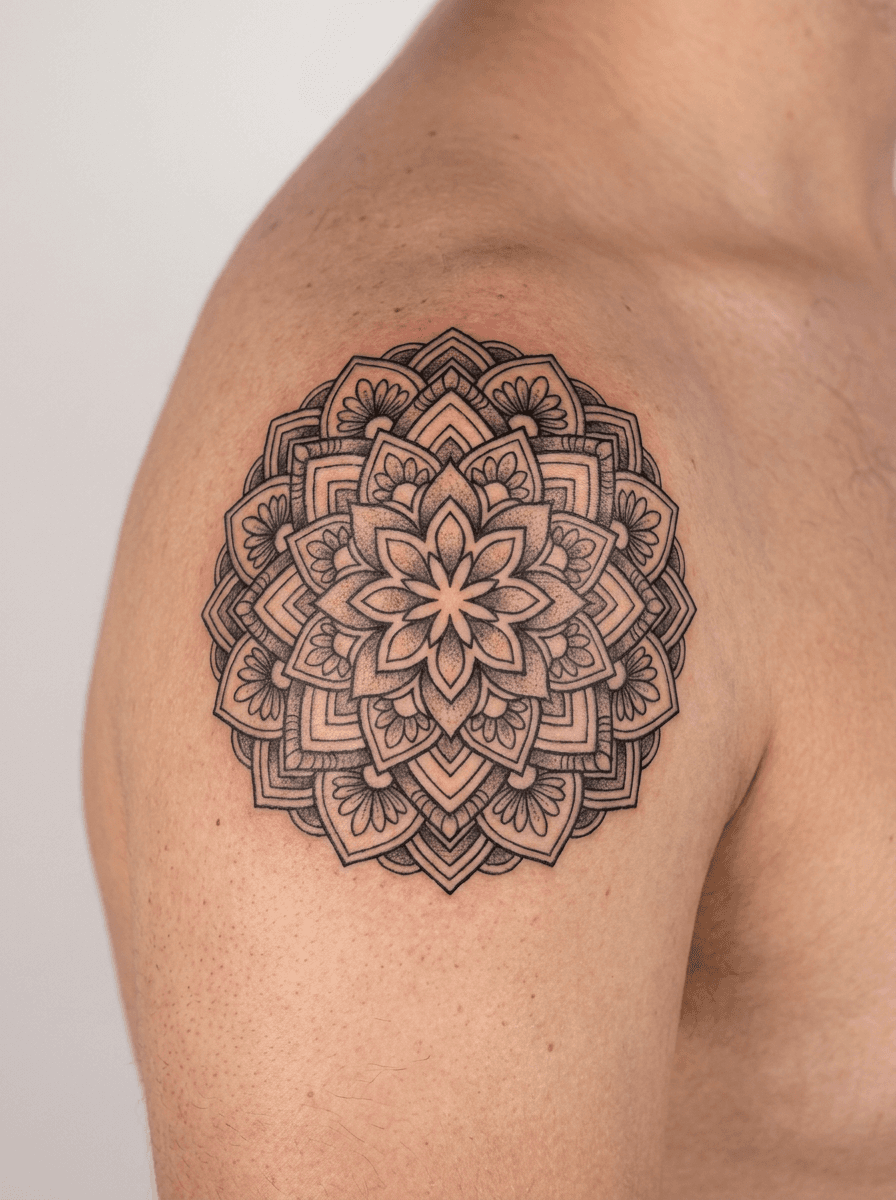
Shoulder
Low — one of the most comfortable placements.
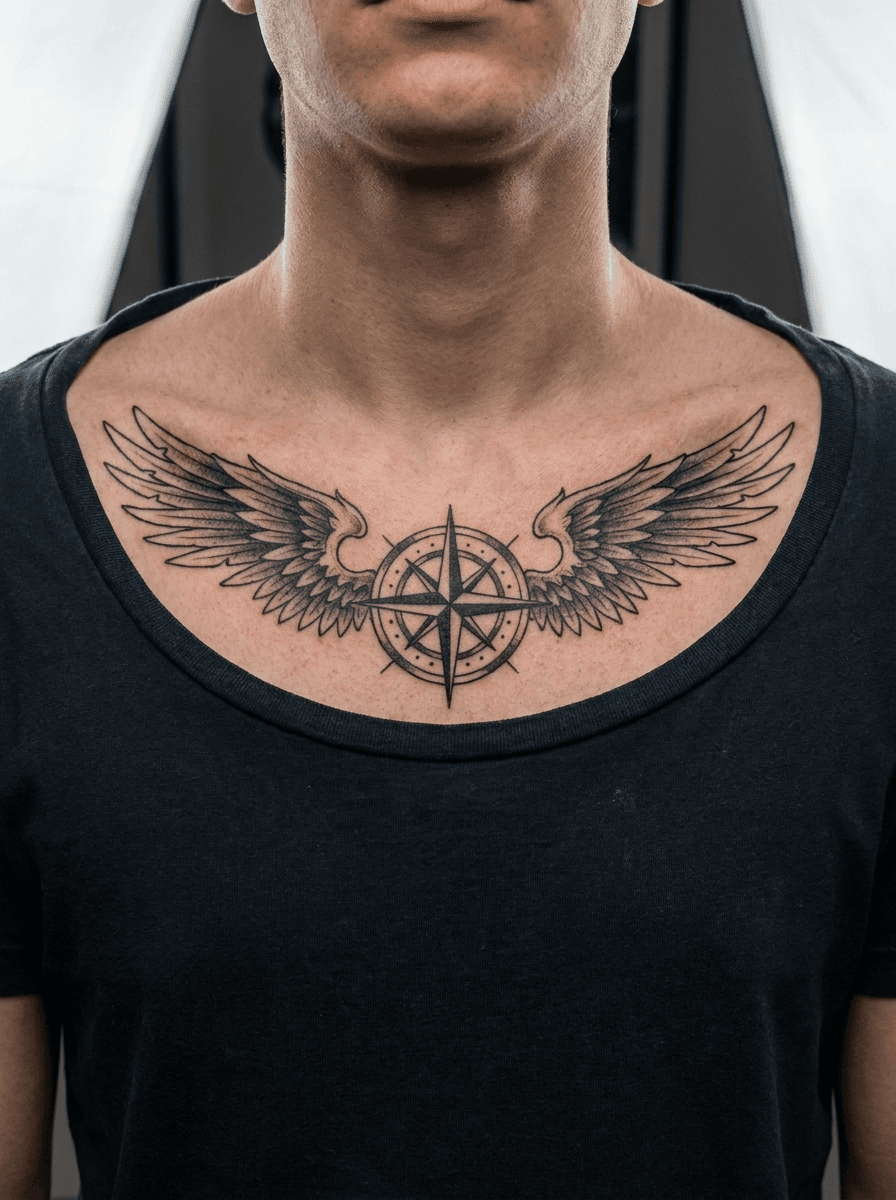
Chest
Moderate; sternum and collarbone areas are considerably sharper.
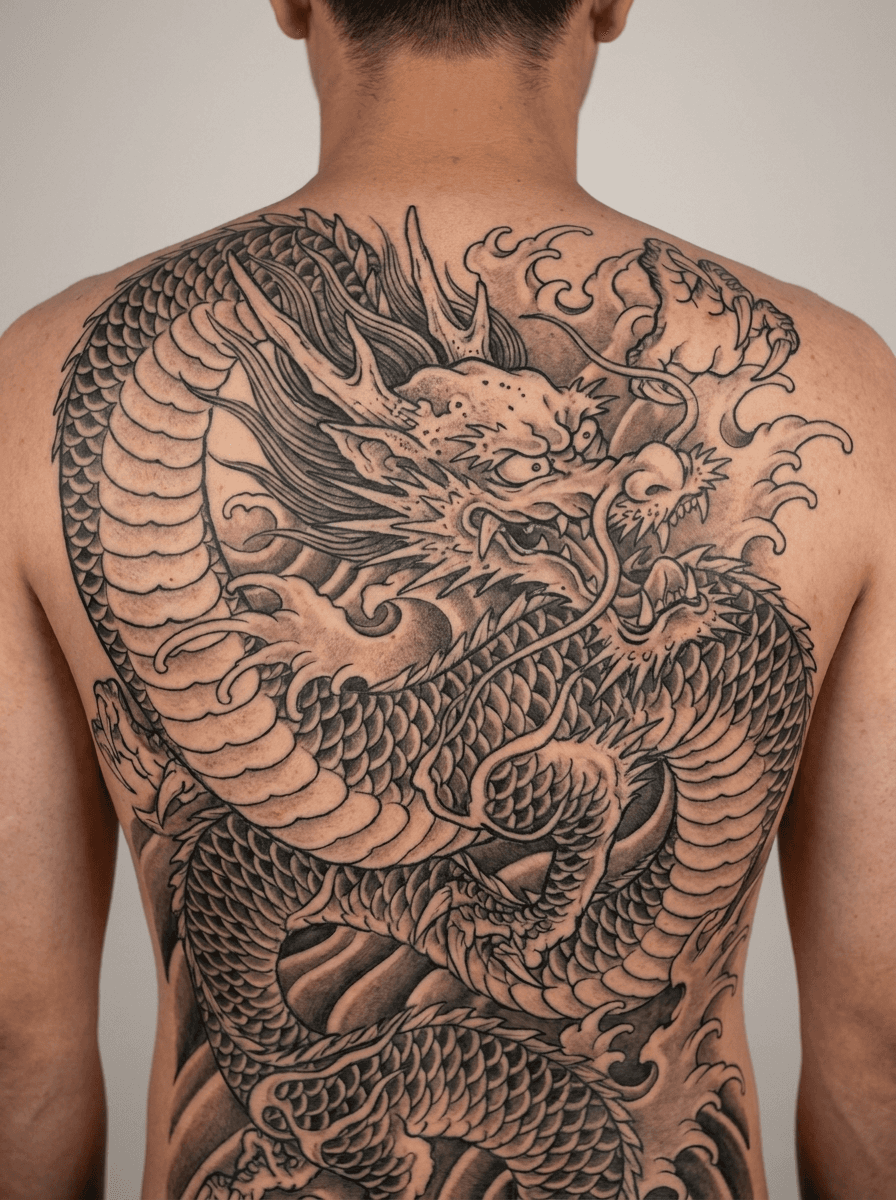
Back
Varies: fleshy mid-back is easy, spine and lower back are not.
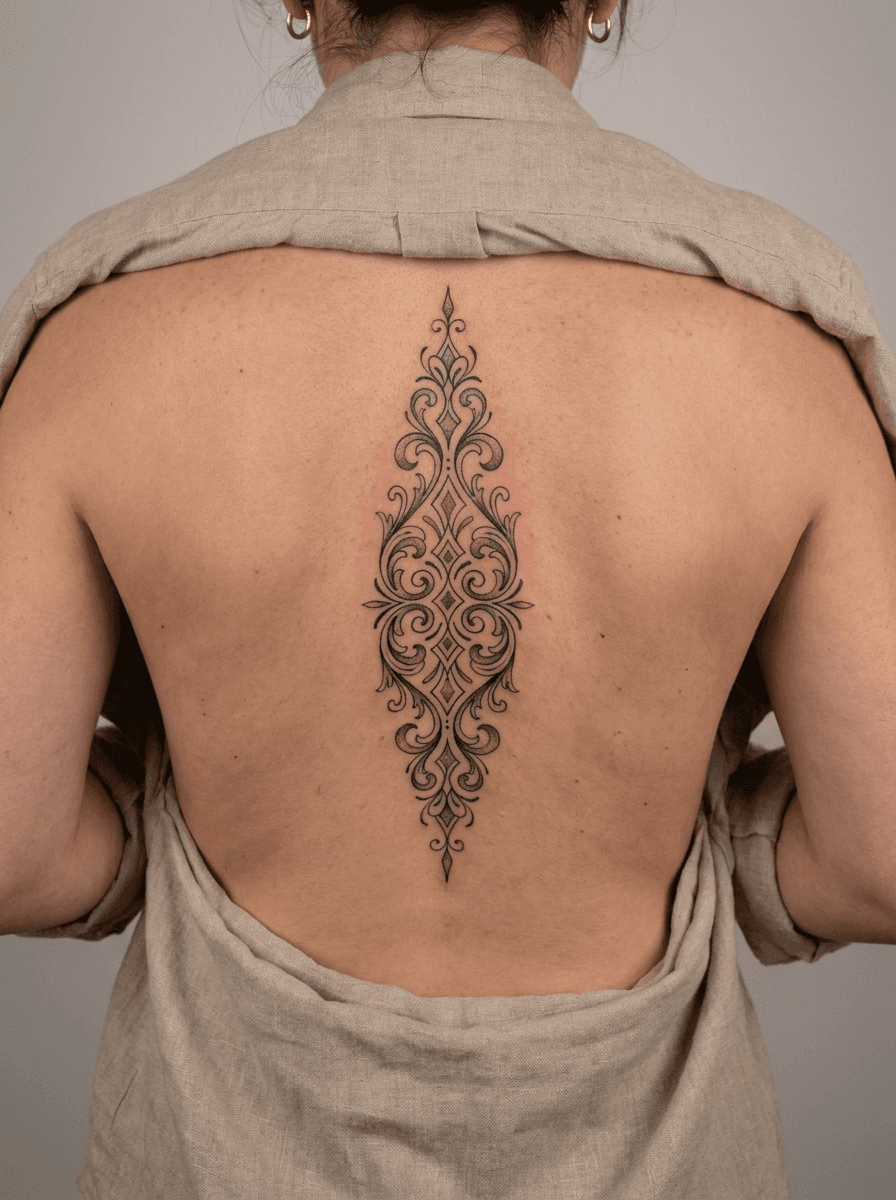
Spine
High — directly over vertebrae. Short sessions recommended.
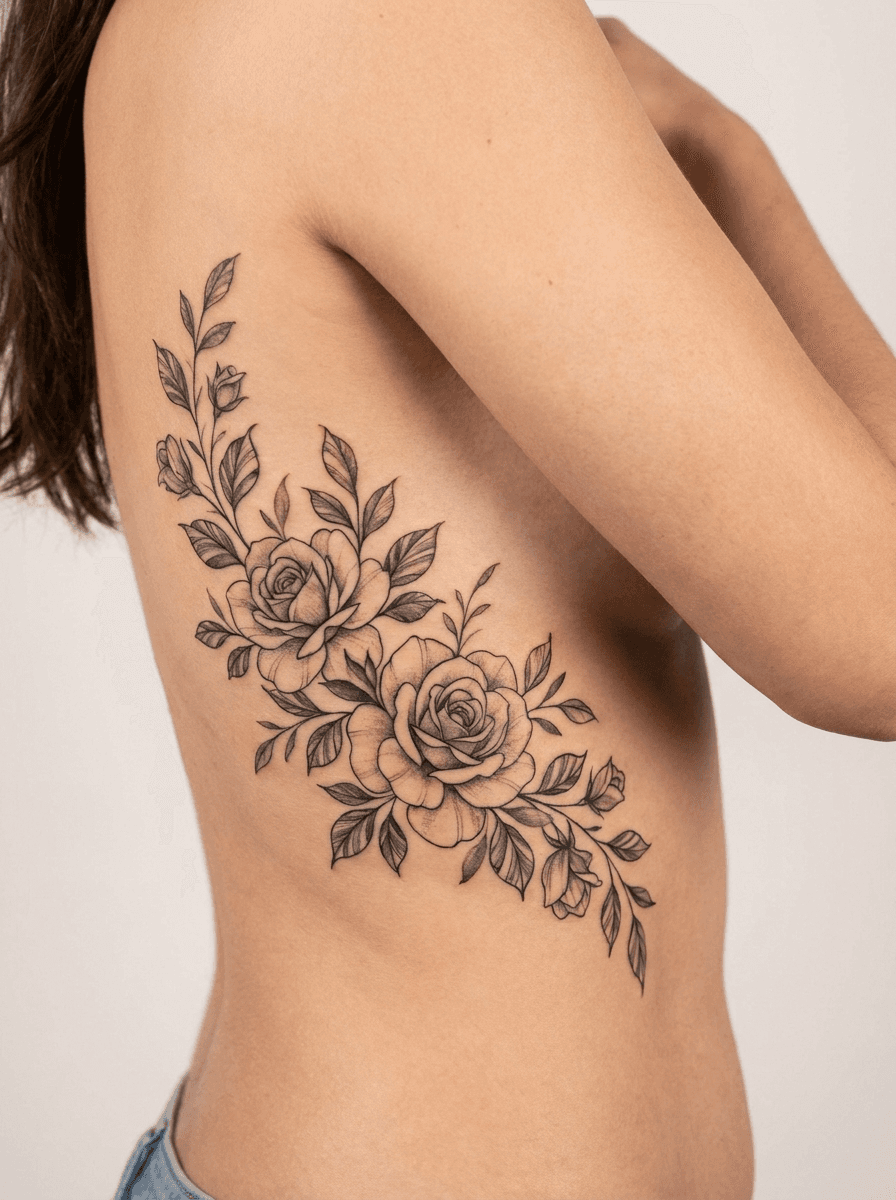
Ribs
High — thin skin directly over bone, and breathing moves the canvas.
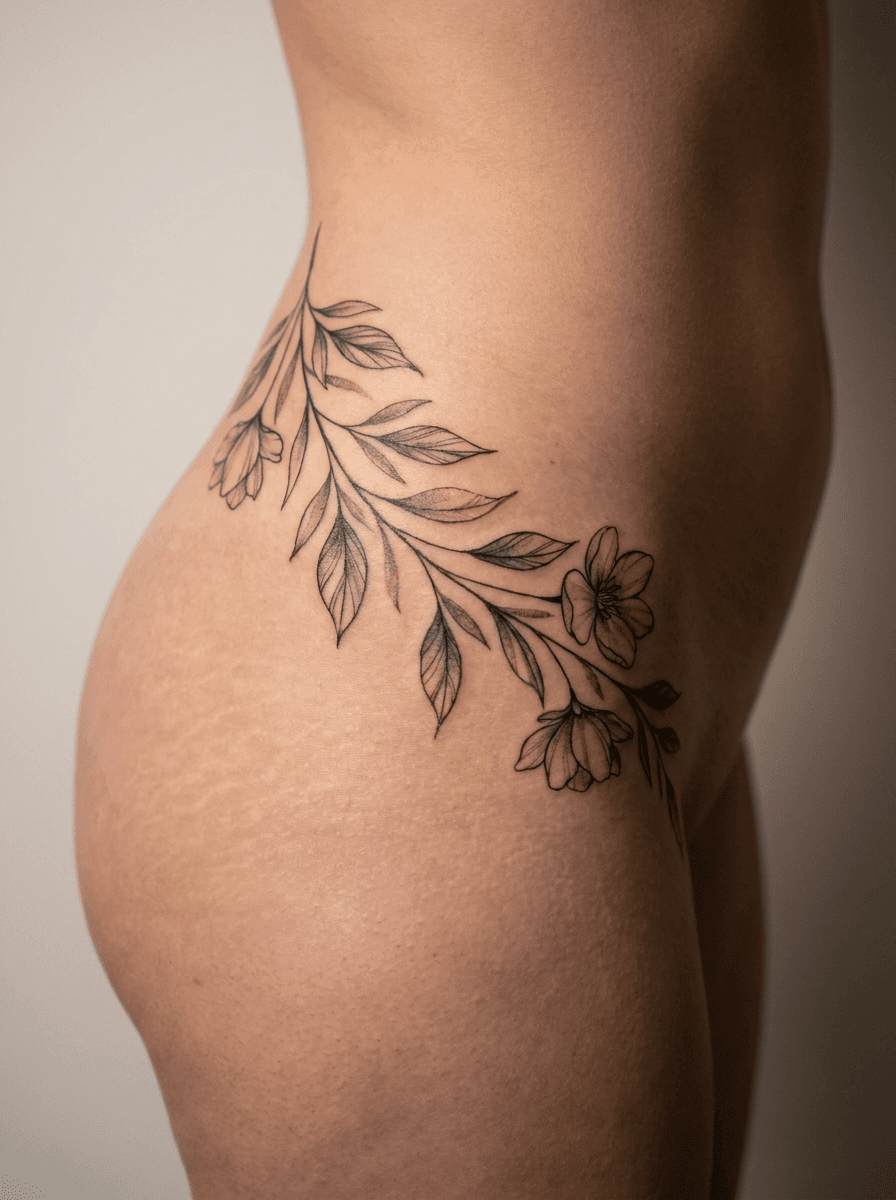
Hip
Moderate — sharper near the hip bone itself.
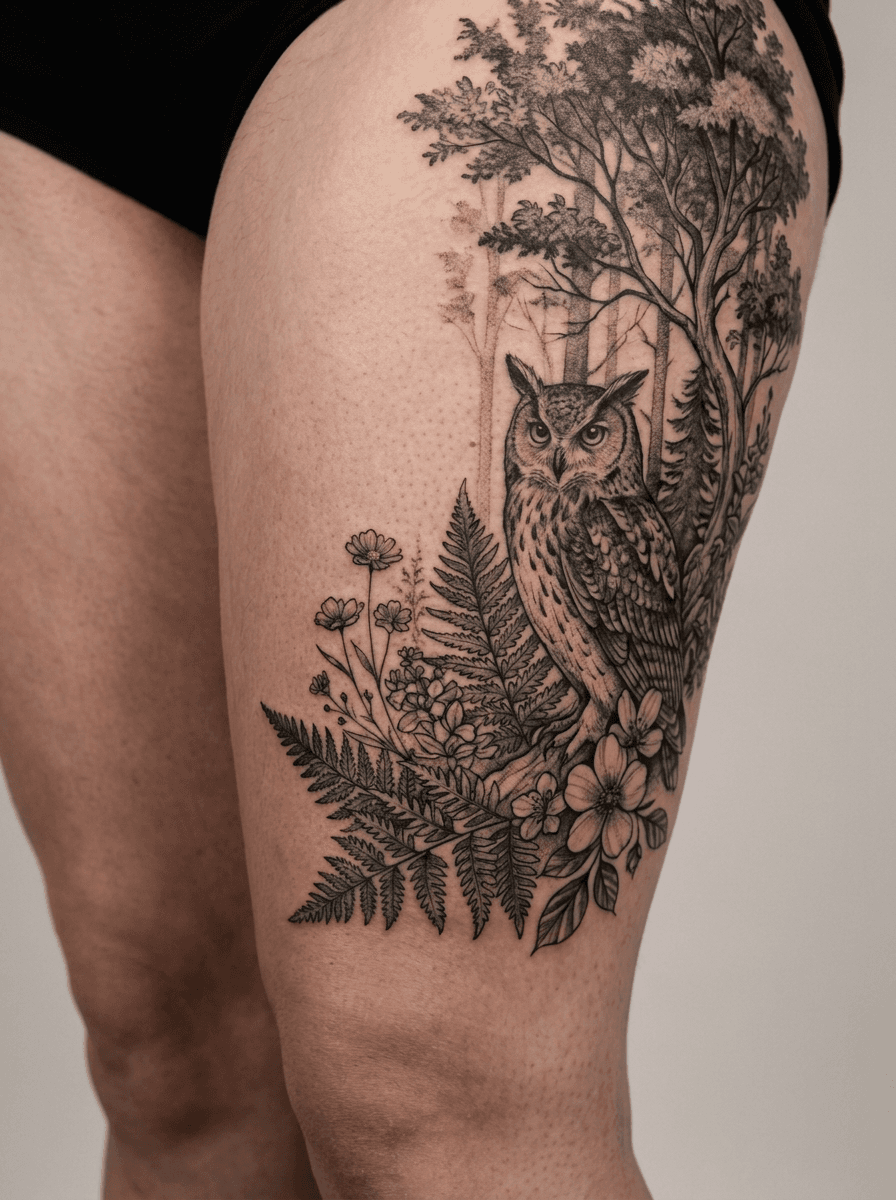
Thigh
Low on the outer thigh; inner thigh is much more sensitive.
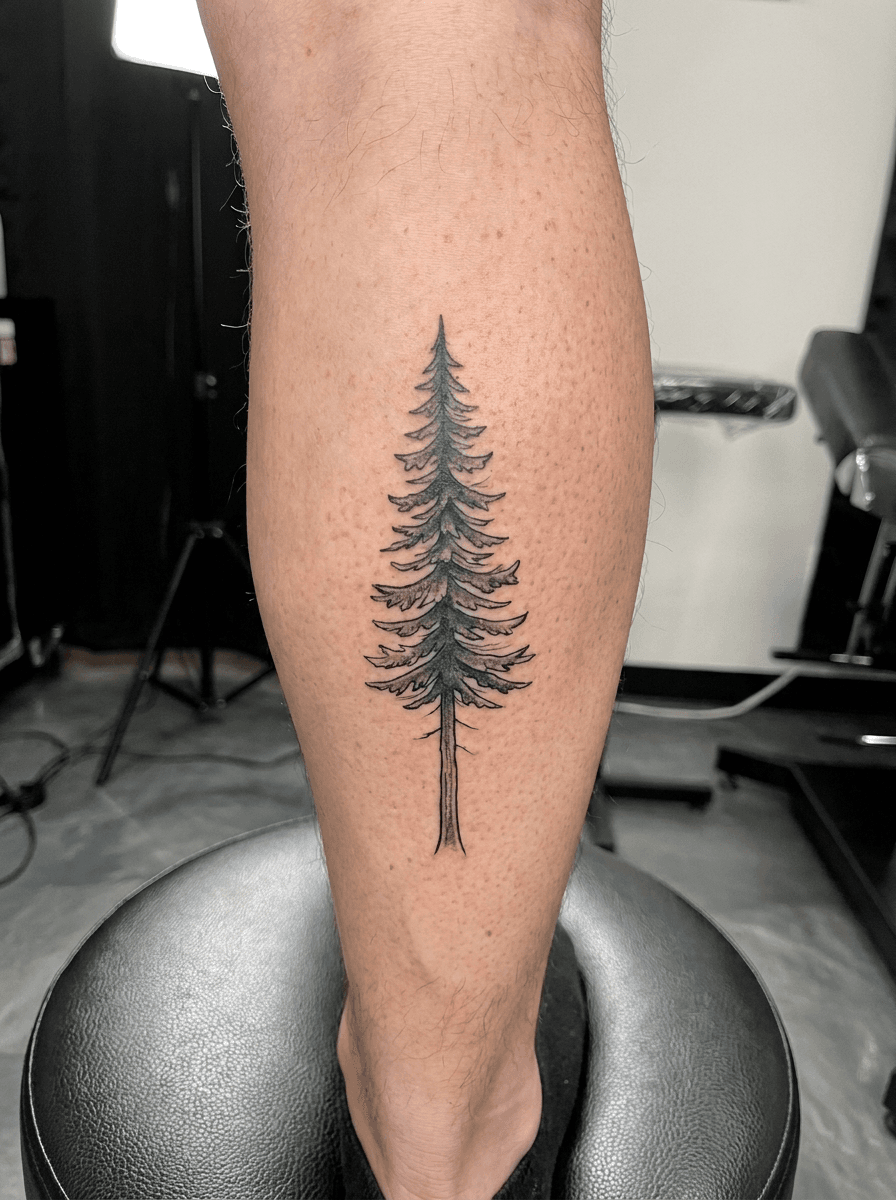
Calf
Low to moderate; the shin side is sharper than the muscle.
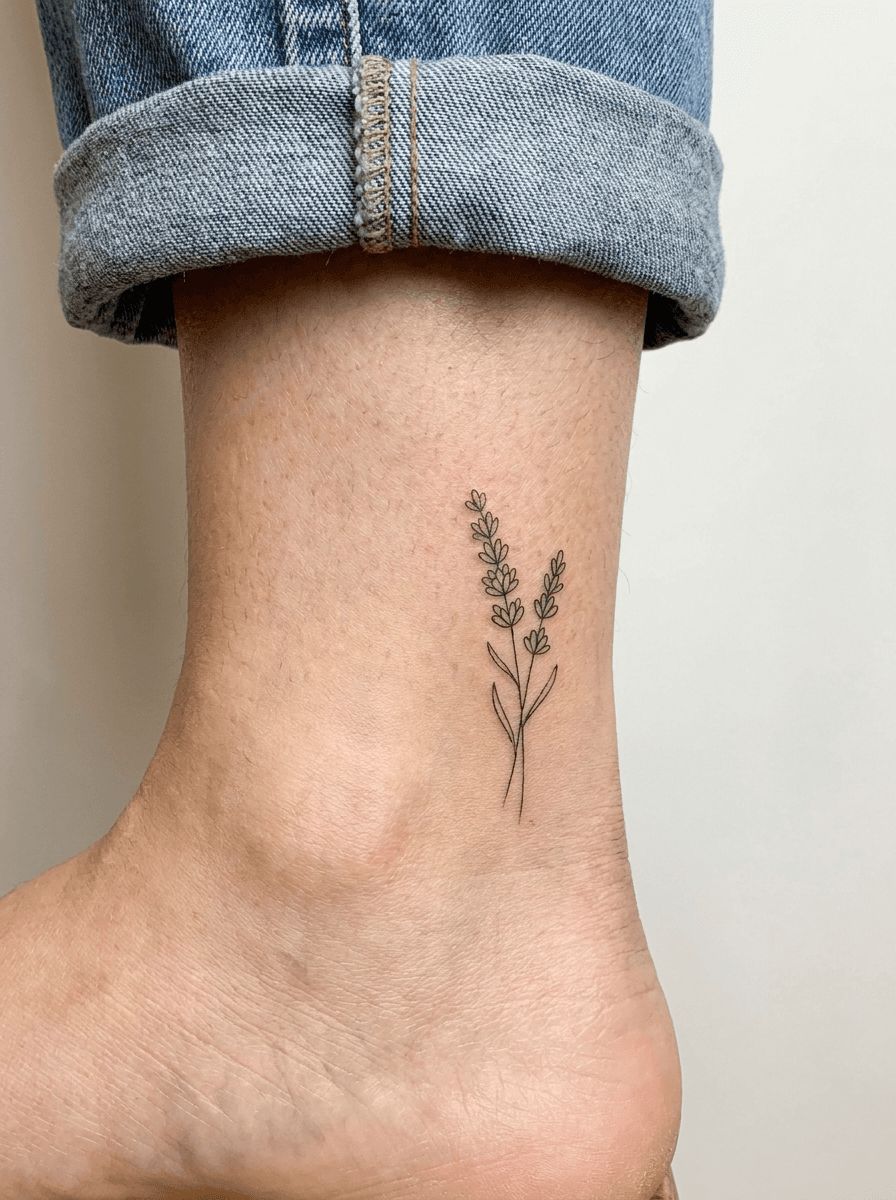
Ankle
Moderate to high — thin skin over bone.
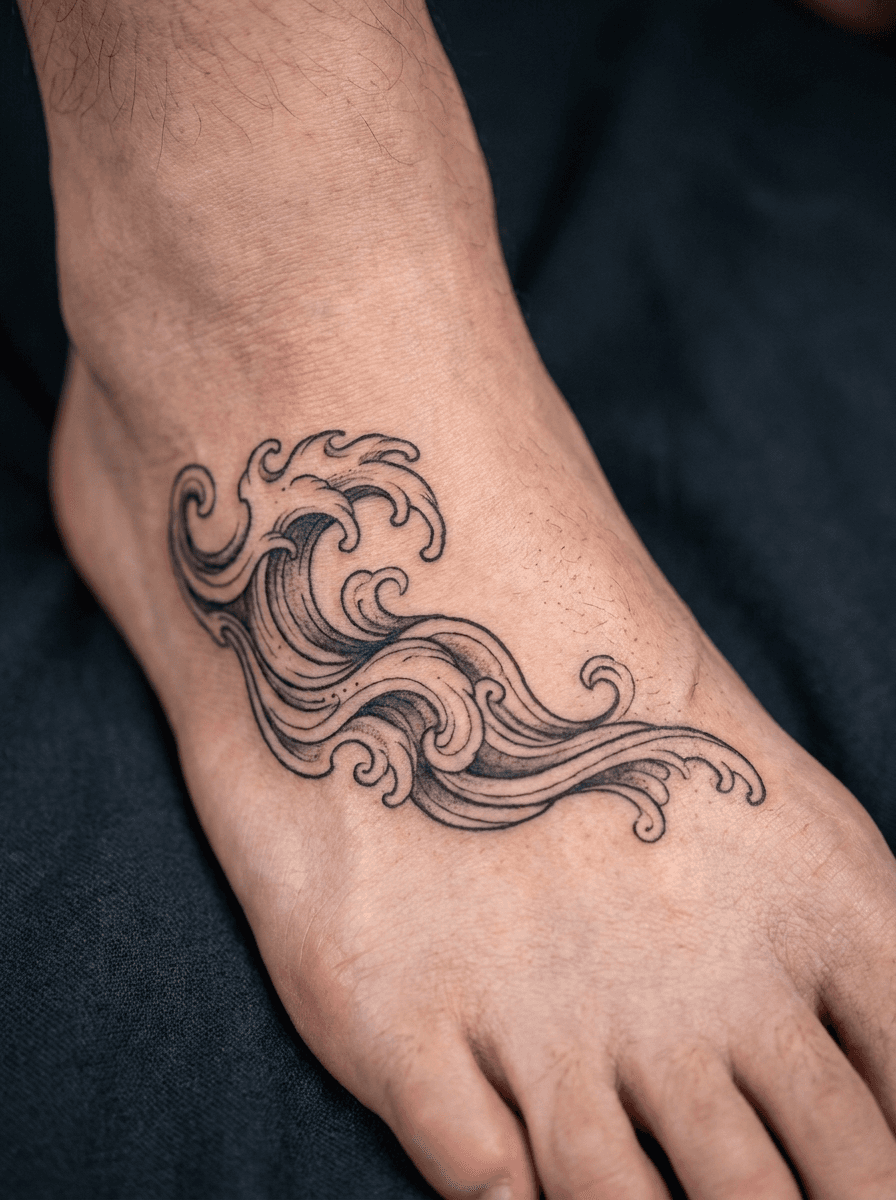
Foot
High — bone and tendon with almost no padding.
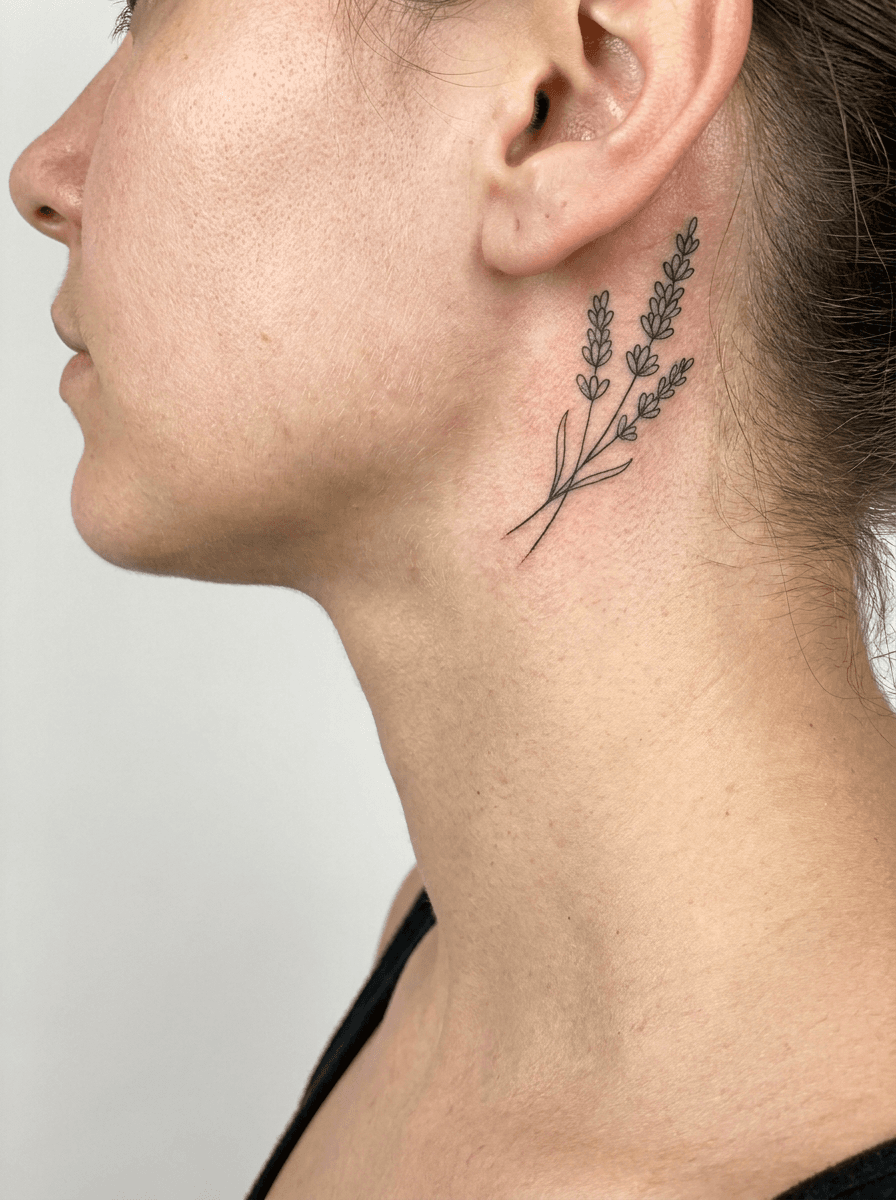
Neck
High — thin skin, and the throat side is intense.
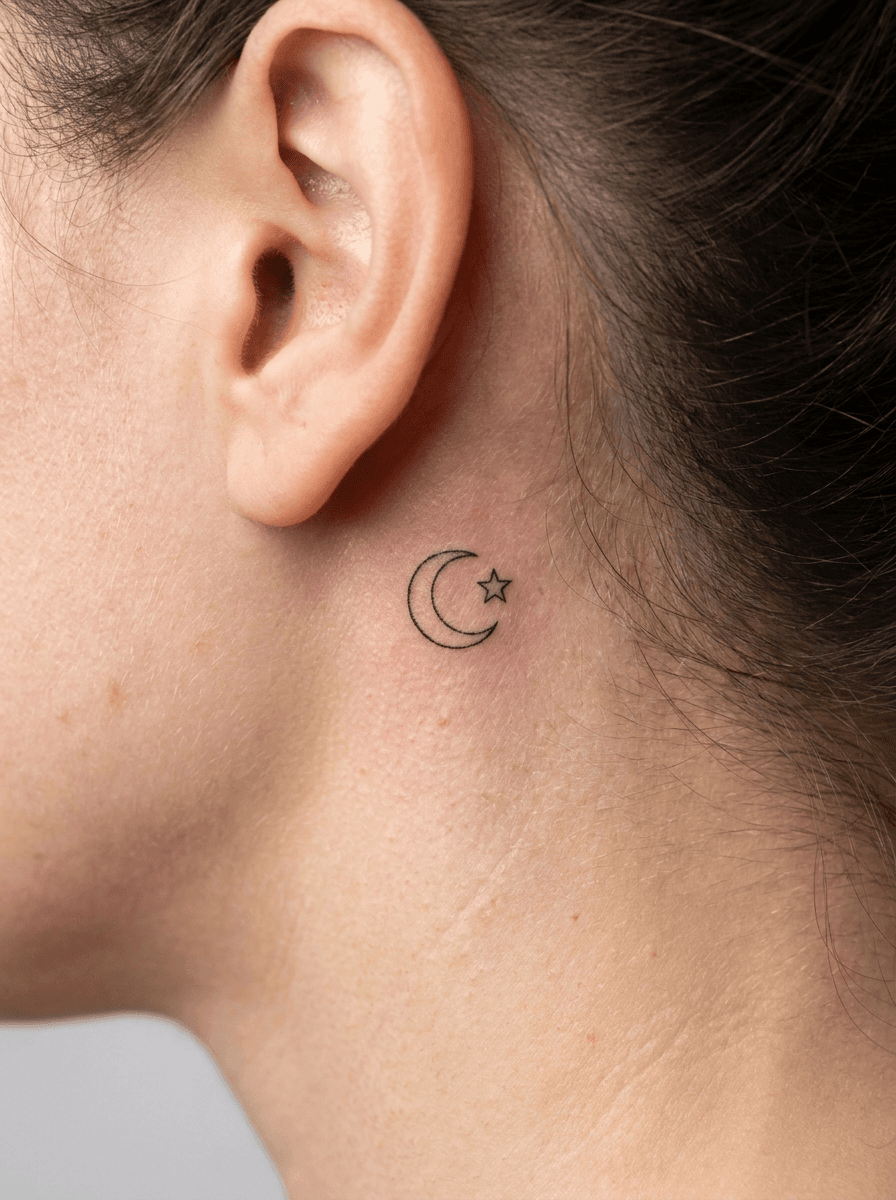
Behind the Ear
Sharp but very fast — sessions are minutes, not hours.
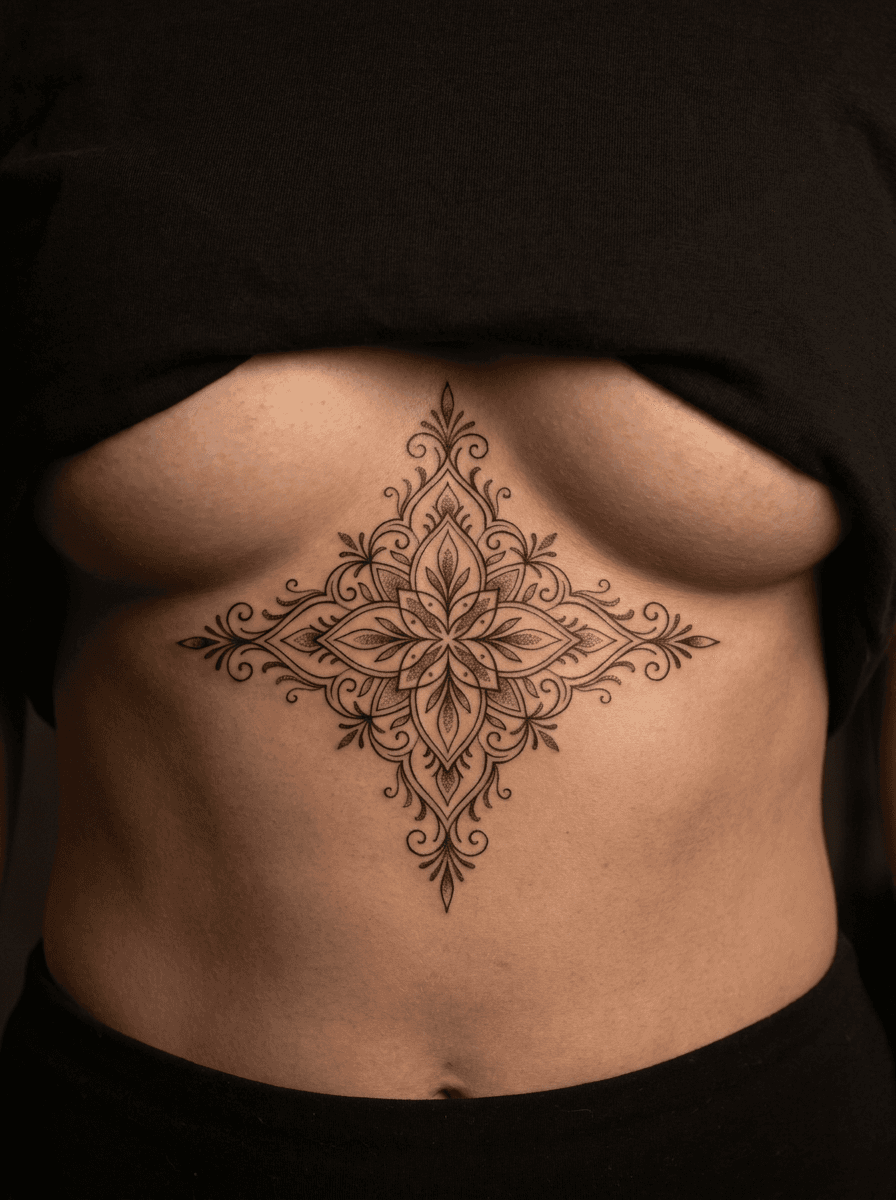
Sternum
High — directly over bone at the body's centre.